High Gas Prices Aren't Just About Affordability
US car overdependence means they restrict mobility, making us less free
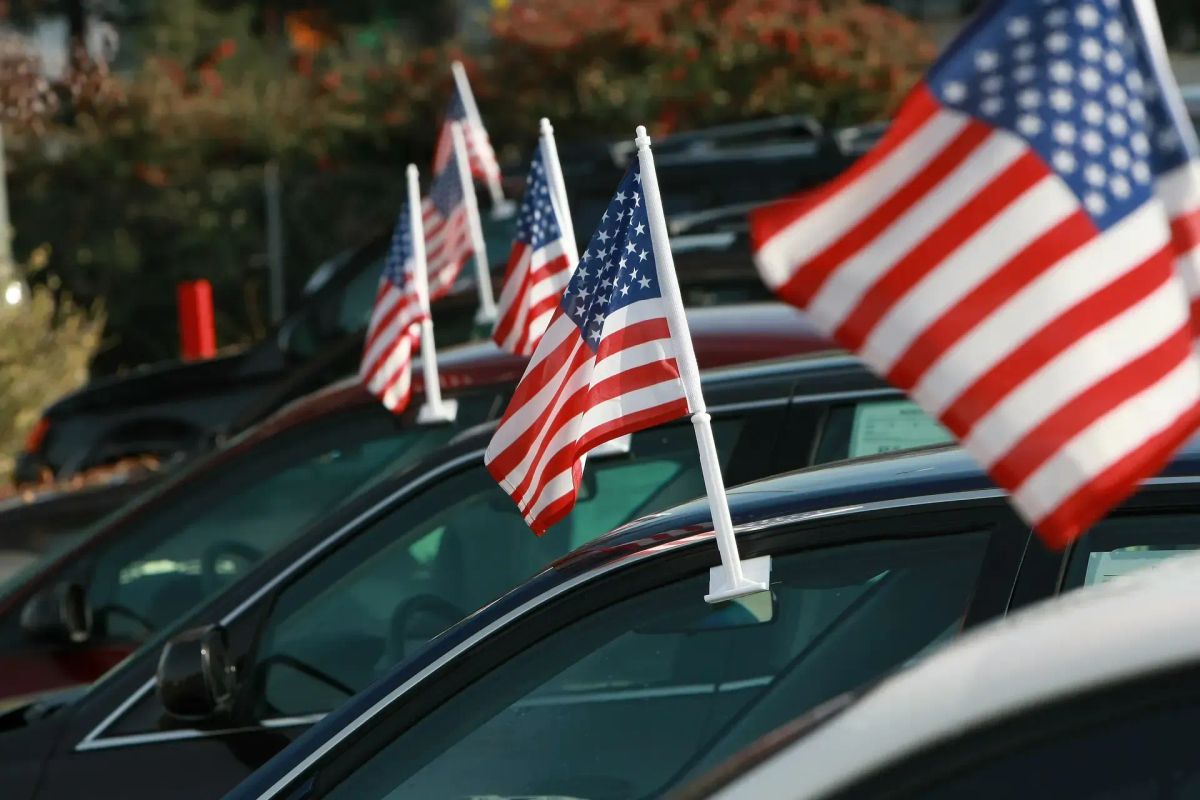
Politicians know it well: Gas prices can sway elections. Though Biden’s loss in 2024 has been blamed on overall inflation, GOP leaders harped hard on gas prices throughout his presidency. Voter anger over their dramatic pandemic rise carried on through the fall of 2024, despite prices having come down from their peak.
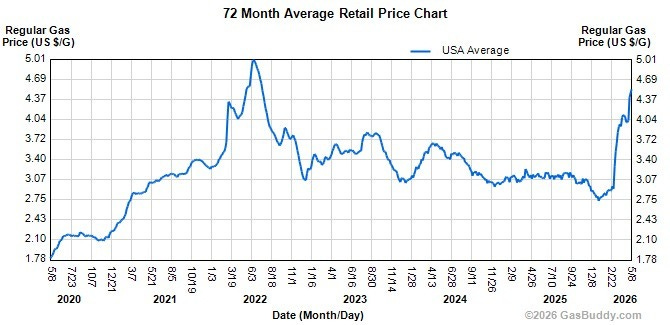
Gas prices present a unique threat to the GOP, though, in this midterm year. That’s why they don’t want to talk about it.
For one, it’s rare that a sharp spike in gas prices can be so clearly attributed to presidential action. In fact, the Commander-in-Chief generally has little control over gas pricing. Unless he starts an unnecessary war with Iran.
And the GOP knows based on 2024 that an eventual drop probably won’t save them. Trump says prices will “come crashing down as soon as this war is over,” the war he promised in March would be over in two weeks (his favorite amount of time to not get things done in).

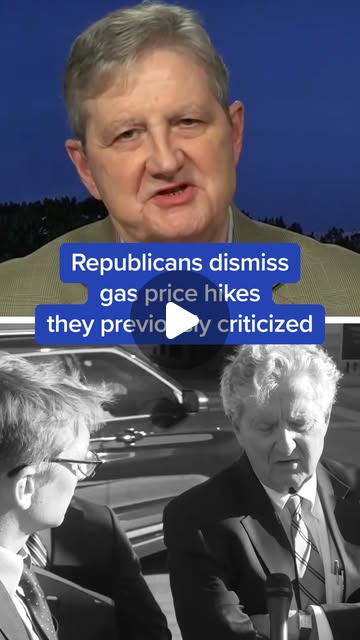
A chunk of voters are pissed that Trump failed to magically lower consumer prices as promised but instead has been making godawful economic decisions, among them his tariff fits and tantrums. But gas is a special case, one that makes last spring’s furor over eggs seem quaint by contrast.
Gas prices command attention and evoke strong emotion. Pundits often focus on how visible gas prices are, hanging above the nearly 200,000 gas stations peppered across the land. There is also the physical act: we must stop in the middle of what we are doing—driving—so that we can continue doing it, get out of the car, fill the tank, and watch the numbers climb.
Gas is what gets most of us to and from jobs, to and from school, to and from anywhere. Because the nation is overly dependent on cars, American households already spend more on transportation than people do in other developed nations. Volatility, the signature move of this Trump administration, adds anxiety. What will a tank cost this week? For millions of workers, the extra gas dollars it takes to get to a job or interview may be all it takes to make everything fall apart.
The GOP must fear that all but the wealthiest Americans are driving mad. It costs nearly $50 more today to fill up a Ford F-150, the most popular vehicle in the U.S., than it did in January. In a new NPR/PBS News/Marist poll, 81% said gas prices were causing them financial pain—and 63% put the blame squarely on Trump.
Anger runs deep and is spread wide because high gas prices restrict our freedom and independence—core values of American culture—as my Carjacked co-author, anthropologist Catherine Lutz, and I wrote in 2011:
Though it released many urbanites from transit schedules and many rural drivers from isolating distances, when it comes to the automobile, dreams loom larger than reality. A lone vehicle winding through a magnificent wilderness, that iconic image seared into our subconscious by decades of advertising, helped equate automobility with freedom broadly defined.
The automakers had help. The right encouraged the white flight that led to suburban and exurban sprawl and has consistently resisted making meaningful investments in public transportation. Government officials, including current GOP lawmakers funded to the tune of $105 million by the fossil fuel industry, have helped ensure the US fleet relies so heavily on gasoline that only 2% of cars on the roads are fully electric. Trump rolled back fuel economy standards twice and eliminated the EV consumer tax credit.
Republicans have entertained themselves by mocking energy savings efforts. They celebrate waste and pollution while elevating individual car ownership, particularly of gas-guzzling vehicles, as one of the ultimate expressions of American liberty. Their propaganda has convinced many that efforts to provide transportation alternatives constitute a war on cars and a conspiracy against their personal freedom.
 Anne Lutz Fernandez
But when gas prices rise significantly, the illusion that cars necessarily make Americans free is threatened.
An ABC/Washington Post/Ipsos poll revealed 44% say these added costs mean they are driving less and 42% say they are having to pare down other household expenses. A third said rising gas prices are affecting vacation plans.
Gas price spikes are a reminder that our landscape has been built for automobiles and that the nation has failed to build adequate transit, stripping Americans of choice: most must drive to work. When gas prices rise too high, many can’t freely use their vehicles for much else. It is only natural to feel embittered, cutting back on necessities or pleasures. The pursuit of happiness is being thwarted by the need to keep those freedom machines running.
Democrats have an opportunity this year to highlight how the GOP, that wholly-owned subsidiary of Trump, is making their lives less affordable – but also less free. GOP energy, transportation, and military policies have cost Americans in countless ways. Asking voters two simple questions can help win seats for people who can fix those policies: What have Trump’s wars done for your family’s budget? What have they done for your freedom?
2026/03/29