Japan's Design for Humans
A recent trip was a reminder of the US's missing care
Recounting their first trips to Japan, Americans tend to start on the toilet.
It may seem odd for tourists to evoke an image of copping a squat to explain the magic they experienced there. Better to hear about them navigating clean streets, gazing at shining temples, strolling in pink gardens. When I visited the country for the first time this spring, though, I learned there is good reason to extol modern Japanese toilets. Found in hotels, offices, homes, and public settings, they are small monuments to technology and design.
By elevating the toilet, the Japanese have taken a messy, necessary human act and made it somehow wonderful. It's an unexpected symbol that suggests, to quote comedian Jim Gaffigan, "The Japanese are just — they're better at being human."
The toilets are clean and quiet. Some play a soothing sound — say, the gentle chirping of birds — allowing the user and those in earshot a dignity often denied. Many provide the services of a bidet: cleanliness and comfort. Happily, it's not just the toilets that offer these things (though more potty talk comes later).
I didn't go to Japan to see the bathrooms.
With a small, like-minded group, I had the privilege of getting away, if briefly, from the United States, a nation at war with itself and the world. To shut out for a moment the cacophony of cruelty and chaos. To take a cleaning wand to the mind. Japan was the right place for it.
The human touch, more than the technology, made it so. In Tokyo Station, one of the busiest in the world, the legendary punctuality of Japanese trains meant we tourists, like the commuters, easily made our connections. Info booths were visible and well-staffed. Station shops bustled with salespeople stepping out to offer beautifully boxed treats. Our mid-priced hotel next door had a large staff. We weren't pointed toward elevators or restaurants but walked there. Everyone seemed like they cared.
We couldn't help but compare this to our consumer experience in the US, where companies compete to reduce headcount and rely on customers to do their work, aided by tech: my local supermarket has far more self-checkouts than traditional ones. So does my drugstore, which closes its pharmacy at lunch hour rather than staff up to serve working people. Hospitality? More hotels run without anyone at the front desk at night. Airlines make fliers check themselves and their bags in. The federal government keeps shutting itself down, forcing airport worker absences and long lines.
American service providers, private and public, increasingly run like ghost ships.
Japanese technology and design seemed in greater service to humans, their journeys, and enterprises.
Take the bullet train.
Waiting on the platform for the train that would take us to Kyoto felt a bit like a dream. Accessibility and safety are prioritized along with speed. A trip that takes six hours to drive without traffic takes less than half as long on one of the sleek, white machines that glide in or out of the station every few minutes. Cars and seats (and bathrooms!) are spotless and roomy, a reminder that American trains and planes have recast basic comfort in travel as an amenity to charge extra for. Regular trains, though less grand, are frequent and clean.
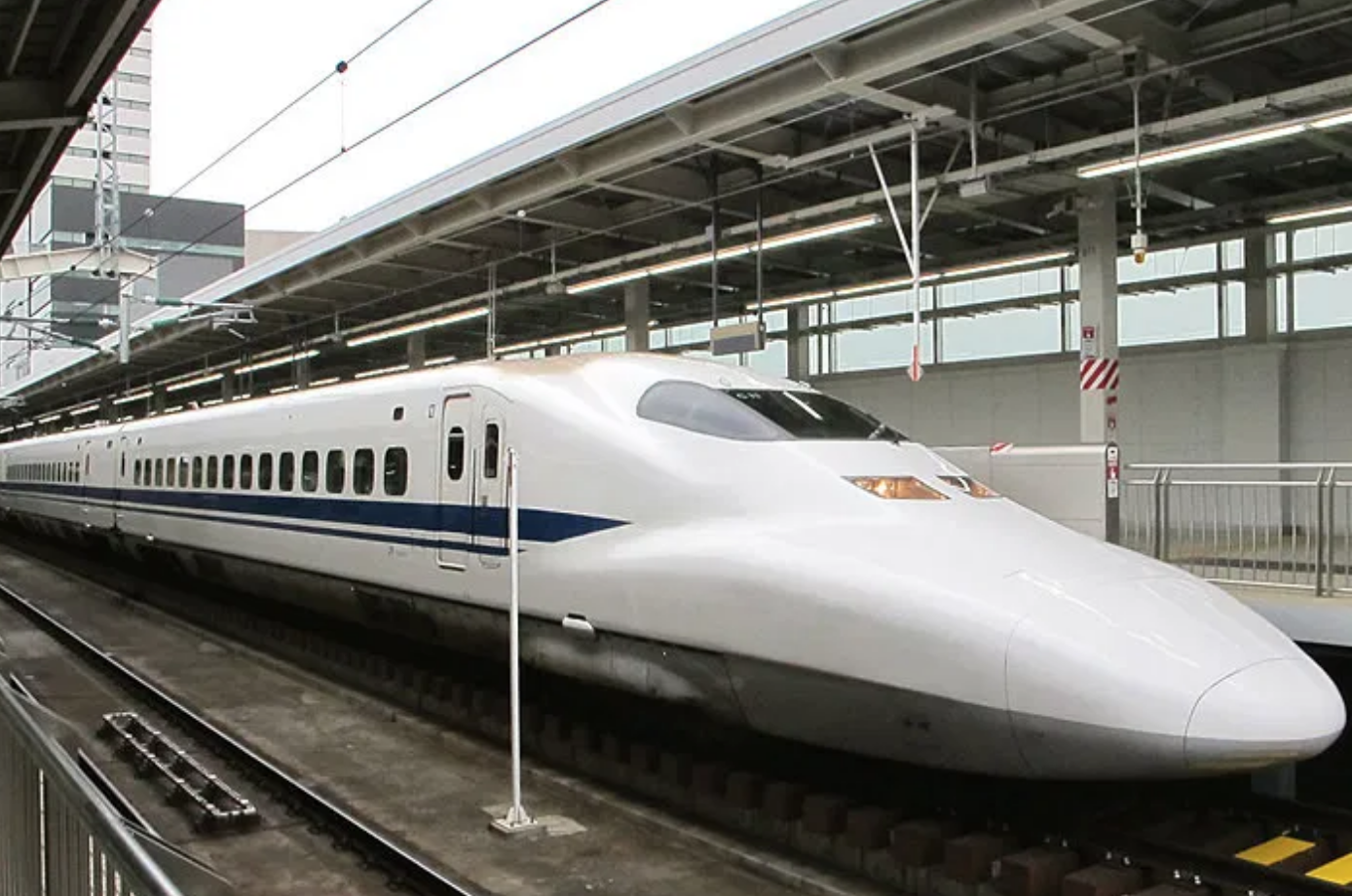
What felt indulgent shouldn't have. Clean, convenient, comfortable public transportation should not be a luxury. It should be about connecting places and people. In the US, the marriage of aestheticism and functionality in travel is reserved for the minority who can afford first-class travel or luxury cars.
Because in the US, we have prioritized the private vehicle above the public.
In Japan, though car ownership is high, streets are designated for people on the move, not just cars and not for car storage. Taras Grescoe has written about how it takes a moment to notice what's missing from most Japanese roads: Cars can't be bought unless they will be parked off the street. A high percent of vehicles sold are hybrids, reducing noise pollution. The streets are relatively calm for such a metropolis but the people keep moving.
Tokyo's massive transit system means the vast majority commute using it while roughly three-quarters of Americans get to work by car. (It's not just Tokyo: Japan has fifteen subway systems — about as many as the US, roughly 25 times its size.) Meanwhile, a minority across the US walk, bike, carpool, or take transit to work or shop, modes that give more opportunity to interact in small, positive ways with other people as we did on Japan's railways and ferries.
 Anne Lutz Fernandez
America's car overdependence has been fueled by moneyed interests exploiting a culture of hyperindividualism. "We can get there on our own" is a story we tell ourselves about transportation and so much else. Driving and the sprawl that fuels it isolates us further from each other – and because driving is often stressful and dangerous, it can make us angry, see each other as competitors or threats rather than neighbors and fellow travellers. We know where hyperindividualism has taken our politics: to a place where humans and the design of policies and services for them take a back seat to perpetual conflict.
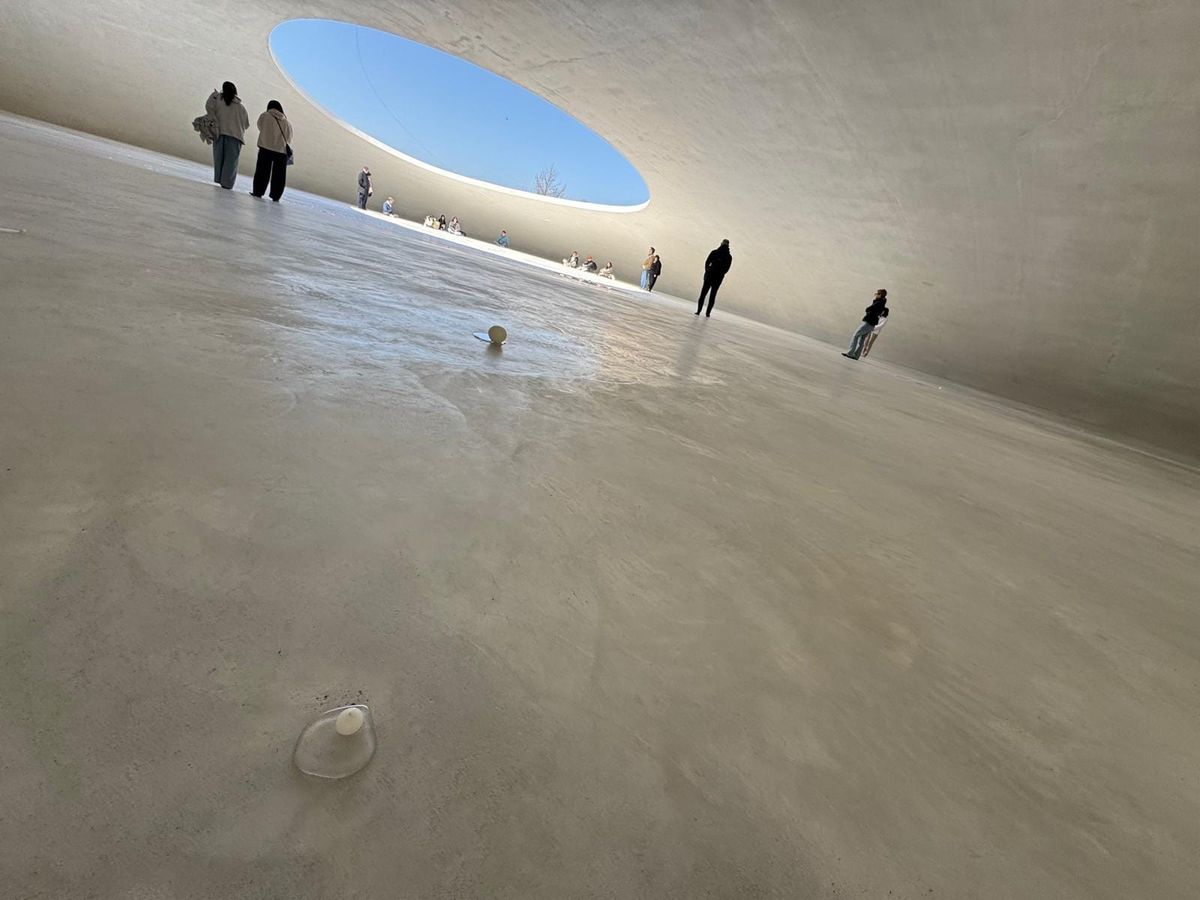
On the small island of Teshima, we visited a collaboration of artist Rei Naito and architect Ryue Nishizawaat. We stepped inside a cavernous futuristic structure with openings letting in the sun, breezes, and views of island greenery. On the polished concrete floor were pools of water; it took a few minutes to notice water droplets emerging from pinholes scattered across it. We stood then sat, mesmerized as these droplets stretched and rolled, responding to the pull of gravity that caused them to meet, combine, grow, and separate before ultimately pooling together. No one had to tell us to hush. We were drawn into a shared respect.
In her writing, Japanese-American philosopher Yuriko Saito has explored the "interdependent relationship between the aesthetic and the ethical," extending the concept of aesthetics to the everyday social interactions that Japan's built landscape, art, and cultural traditions help to produce. We had been noticing, it turns out, what Saito calls "the aesthetics of care."
Back from the islands, we returned to Tokyo, where we declined to take one of several possible tours of 17 stunning architect-designed public toilets in the Shibuya neighborhood. It was enough to be able to relieve ourselves at clean public facilities wherever we went in the city and beyond.
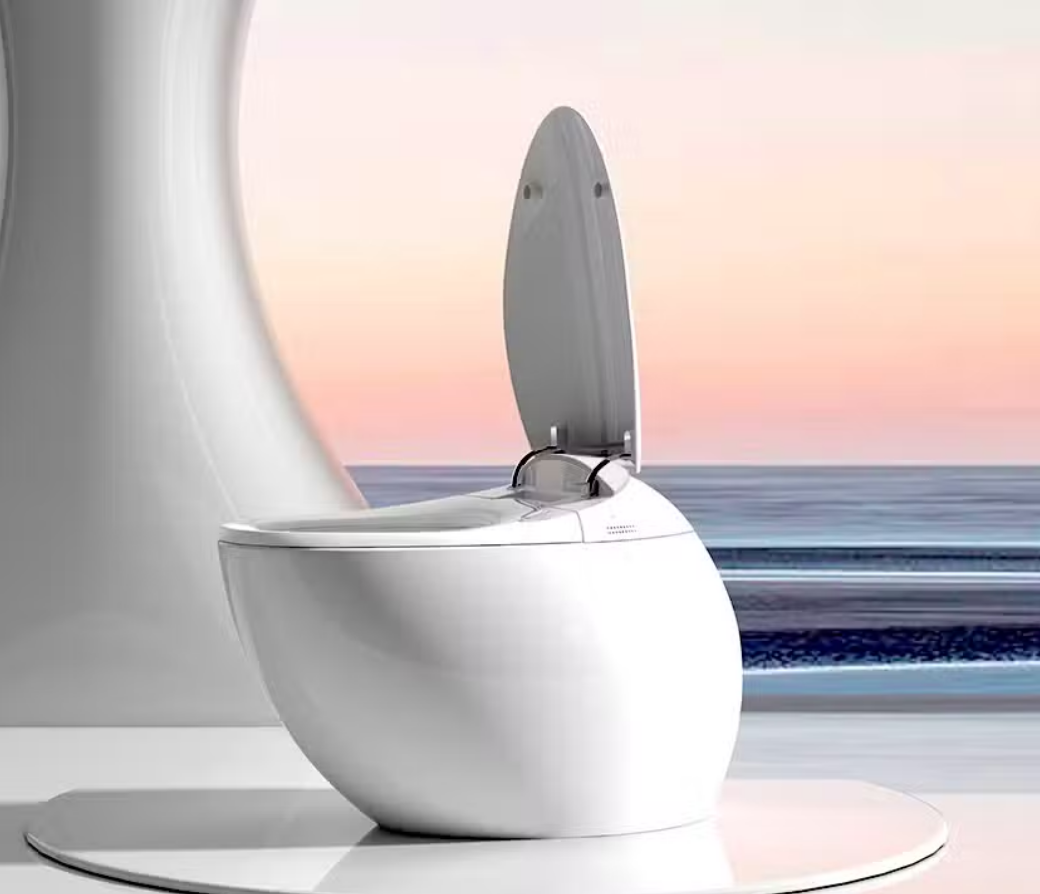
Again, the contrast with travel in the US couldn't be more stark. It's not easy to find free, clean, accessible bathrooms in most American cities, including popular tourist stops such as Boston, Nashville, and New Orleans. As with so much else in our nation, the basic toilet is largely a private good. "Restrooms are for customers only" — the ubiquitous sign that adds anxiety to urgency — means using one costs at least as much as a cup of overpriced coffee.
Motility and mobility (a conveniently rhyming pair) are basic human needs. Having them met without high cost and high stress should not feel extraordinary, but to this American it did. The Japanese understanding of interconnectedness — between humans and technology and between human and human — was a theme that ran our route from Tokyo to Kyoto to Teshima and back.
At home, it's hard to be, well, at home. Because America desperately needs reminding that people need, in Saito's words, the "visible evidence of care" that makes them care about and for each other, our society, and the world.